
Silver Moves Onto the HUID System: What IS 2112:2025 Changes
1 September 2025
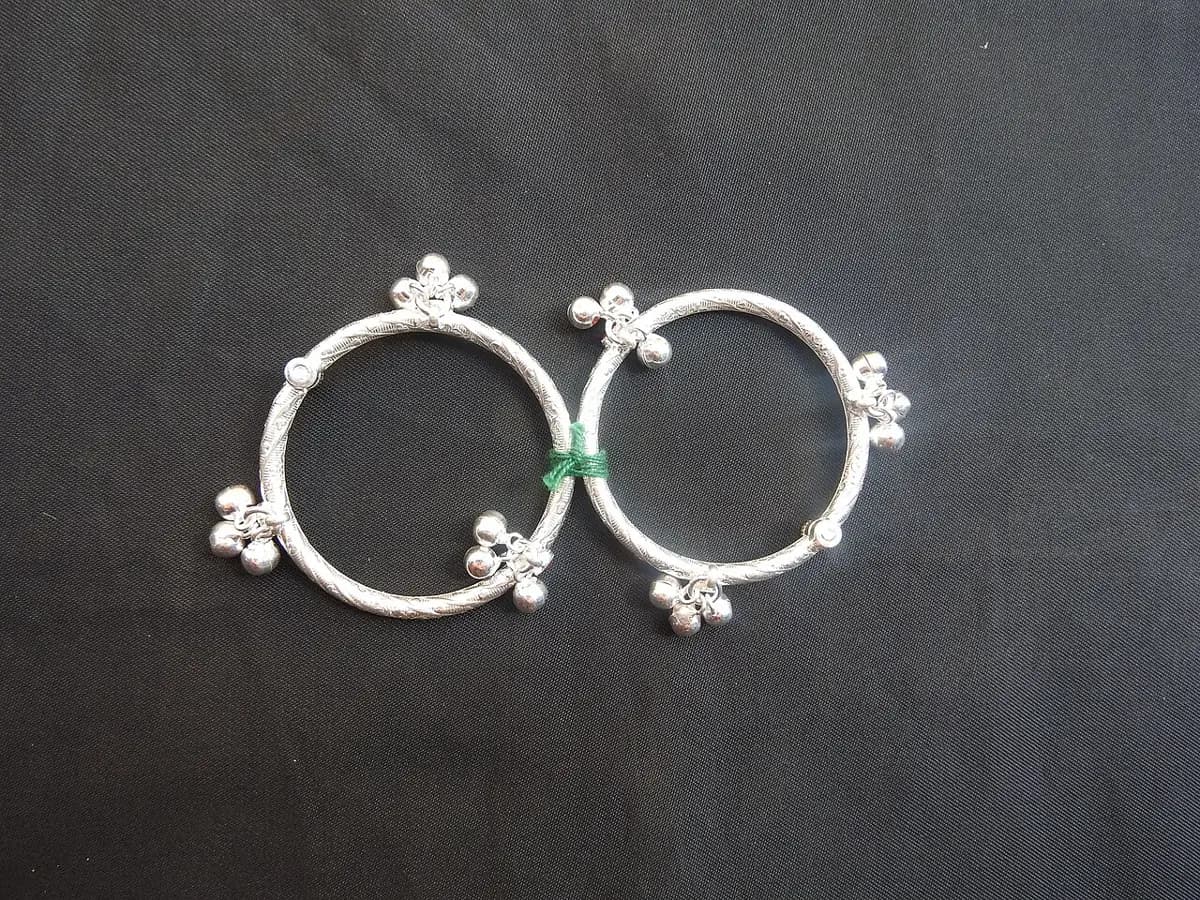
For most of its history, silver hallmarking in India sat in the background while gold took centre stage. That changed on 1 September 2025, when the Bureau of Indian Standards moved silver onto the HUID system under a revised standard, IS 2112:2025. Silver articles can now carry the same six-digit Hallmark Unique Identification number that gold has carried since 2021. One thing has not changed: for silver, hallmarking is still voluntary.
What the new mark looks like
The revised silver hallmark has three parts:
- The BIS Standard Mark with the word SILVER
- The purity grade, in parts per thousand
- The six-digit HUID, unique to that article
This replaces the older silver marking and brings silver in line with how gold is hallmarked. Until 31 August 2025, the previous marks were still allowed, so both systems were briefly in circulation.
Seven purity grades
IS 2112:2025 recognises seven grades of silver fineness. Two of them, 958 and 999, were added in this revision.
| Grade (fineness) | Pure silver | Common use |
|---|---|---|
| 999 | 99.9% | Investment-grade silver, coins, bars |
| 990 | 99.0% | High-purity articles |
| 970 | 97.0% | Decorative items |
| 958 | 95.8% | Britannia-grade silver |
| 925 | 92.5% | Sterling silver, most jewellery |
| 835 | 83.5% | Heavier ornaments |
| 800 | 80.0% | Utensils and lower-purity items |
Most silver jewellery sold in India is 925, or sterling silver, where 92.5% is pure silver and the rest is usually copper for strength.
The durability problem BIS is still solving
Silver is softer than gold and tarnishes more easily, which makes stamping a durable HUID on it harder than it sounds. BIS has flagged the risk of the embossed mark fading or corroding over time, and it is still working on a marking method that holds up to wear on silver surfaces. This is one reason the silver rollout has stayed voluntary while the technical side is worked out.
How the trade has responded
Silver hallmarking capacity has been building quietly. By 2024-25, roughly 230 assaying and hallmarking centres across 87 districts were recognised for silver testing, and about 32 lakh silver articles were hallmarked in that year. Early uptake of the voluntary HUID scheme has been steady, which BIS is watching as it weighs the next step.
Will it become mandatory?
That is the open question. BIS has said it will assess the voluntary phase over about six months before deciding whether to make silver hallmarking compulsory, with a call expected around the first half of 2026. Making it mandatory would pull India's large silver jewellery market into the same purity-certification framework that already covers gold, and it would give silver buyers the protection against under-purity that gold buyers now take for granted.
What it means if you buy silver
Because silver hallmarking is voluntary for now, not every silver piece you see will carry a HUID. Where one is present, you can check it the same way you check gold: enter the six-digit code in the BIS Care app and confirm the purity grade, the centre, and the jeweller. A 925 stamp backed by a verifiable HUID is a stronger guarantee than a 925 stamp on its own.
Continue reading
Explore more articles on hallmarking, testing, and the precious metals industry.