
The Growth of India's Assaying and Hallmarking Centre Network
15 September 2024
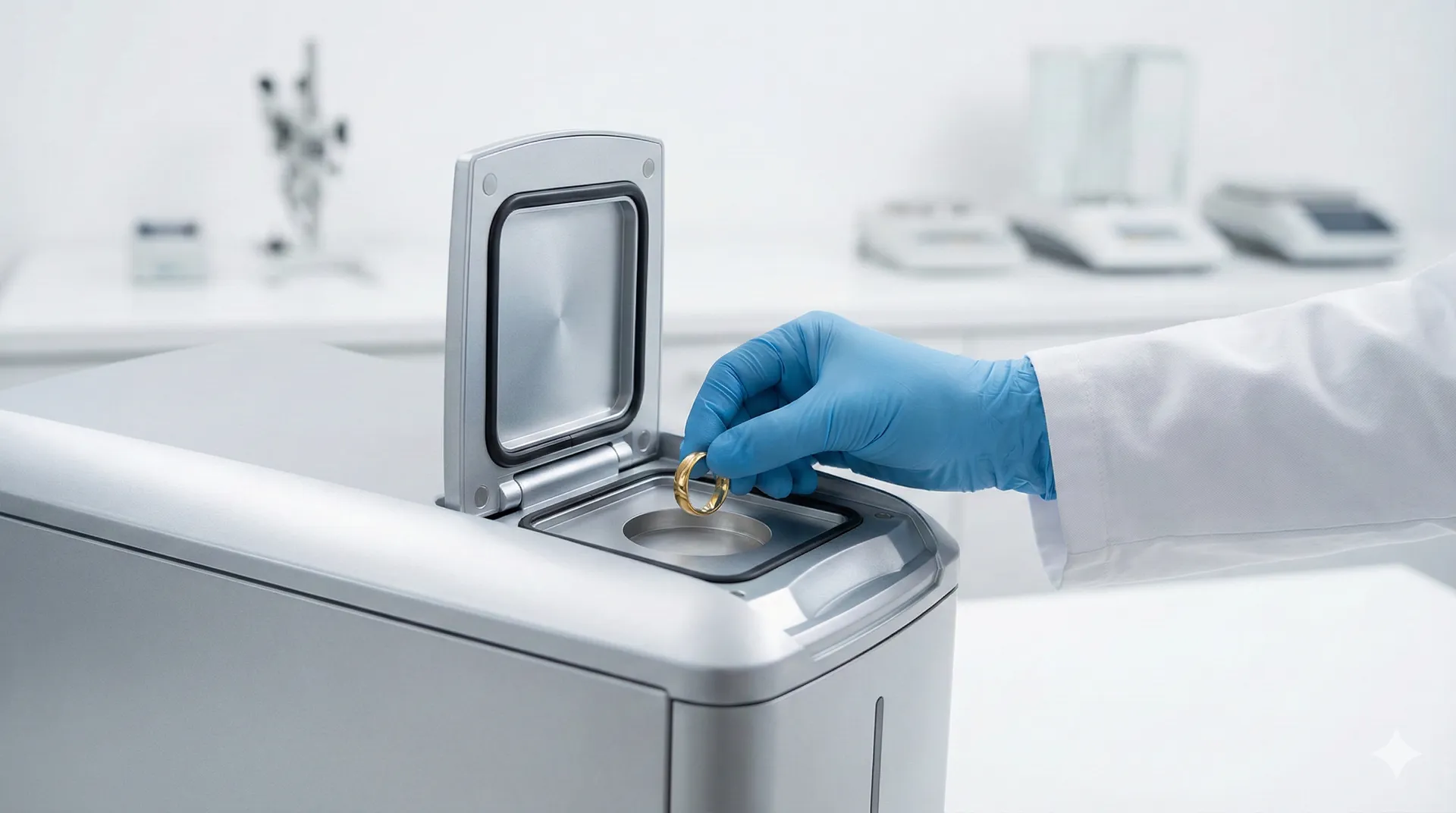
India's Assaying and Hallmarking Centre (AHC) network is the backbone of the national hallmarking system. Its growth from zero centres at the turn of the millennium to over 1,700 by 2026 represents one of the largest buildouts of quality testing infrastructure in any industry globally.
The Early Years: 2000–2010
When voluntary hallmarking launched in April 2000, the AHC network had to be built from scratch. Growth was slow initially, establishing a hallmarking centre requires specialised equipment (XRF spectrometers, fire assay furnaces, precision balances), qualified personnel (metallurgists, chemists), and BIS licensing.
By mid-decade, approximately 231 AHCs were operational. The government introduced a subsidy scheme in December 2010, offering financial support to 42 centres, which helped accelerate expansion.
IS 15820: The Quality Standard for Centres
The publication of IS 15820:2009 was a crucial milestone. This standard established uniform requirements for AHC competence, specifying minimum laboratory space of 1,000 square feet, mandatory equipment including fire assay furnaces and XRF machines, qualified staff with prescribed training, calibration standards traceable to national references, and operational procedures for testing and marking.
IS 15820 ensured that every AHC, regardless of location, met a consistent quality benchmark. The standard was revised in 2024 (IS 15820:2024) to update management and technical requirements.
The Mandatory Hallmarking Surge
The announcement of mandatory hallmarking in 2019 triggered explosive growth. The number of AHCs nearly doubled from approximately 945 in June 2021 to over 1,600 by 2025. This expansion was driven by demand. With nearly 2 lakh registered jewellers requiring hallmarking services, the existing network was insufficient.
New centres opened across all 36 states and union territories, extending hallmarking access to semi-urban and rural areas for the first time.
Offsite Centres: Extending Reach
BIS introduced the concept of Offsite Centres (OSCs) to extend hallmarking access without requiring full laboratory infrastructure at every location. An OSC is a satellite facility of an existing AHC that possesses all equipment except fire assay capability. XRF testing and HUID assignment are conducted at the OSC, while any articles requiring fire assay are sent to the parent AHC.
By 2026, approximately 109 offsite centres were operational, supplementing the 1,603 regular AHCs for a total network of over 1,712 testing points.
Current Infrastructure (February 2026)
| Metric | Count |
|---|---|
| Regular AHCs | ~1,603 |
| Offsite Centres | ~109 |
| Total Testing Points | ~1,712 |
| AHCs for Silver Testing | ~230 (in 87 districts) |
| Licensed Refineries/Mints | ~46 |
| Daily Hallmarking Capacity | ~4 lakh pieces |
Staffing and Expertise
Each AHC employs trained assayers, typically metallurgists or chemists with specialised knowledge in precious metal analysis. Fire assay requires particular skill, as the technique demands precise temperature control, accurate sample preparation, and meticulous weighing. BIS conducts training programmes and proficiency testing to maintain competence across the network.
The Challenge Ahead
Despite the rapid expansion, coverage gaps remain. Some districts, particularly in India's northeast and remote rural areas, still lack convenient access to hallmarking centres. BIS continues to encourage new AHC applications and is exploring technology-assisted solutions, including the image and weight capture pilot, to complement the physical centre network.
Continue reading
Explore more articles on hallmarking, testing, and the precious metals industry.